Apidura Expedition bags review — 865km, London to Lille and Marseille to Paris, in the rain and the heat.
I didn't finish the ride. I want to be clear about that before anything else, because it's relevant to how the kit got tested.
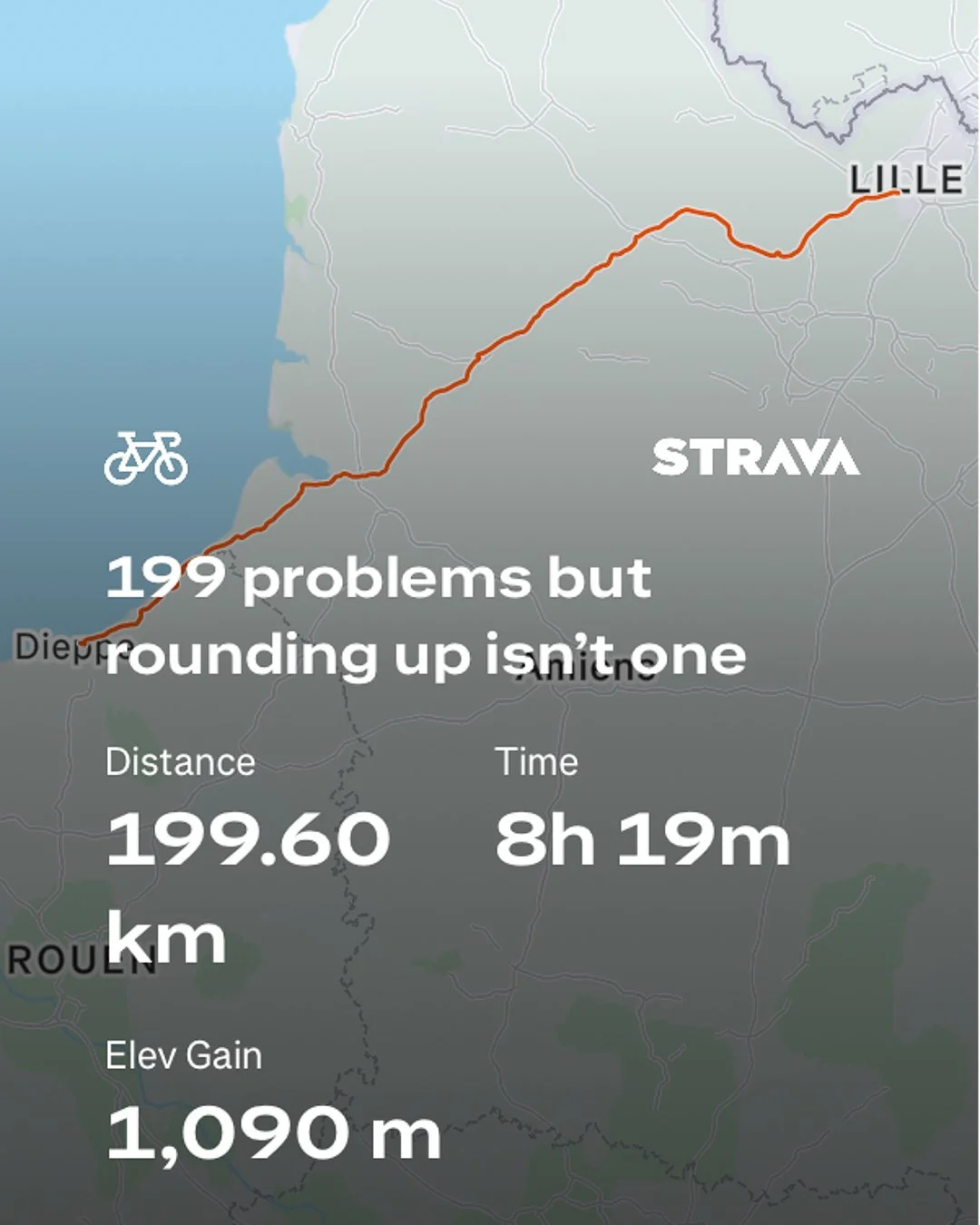
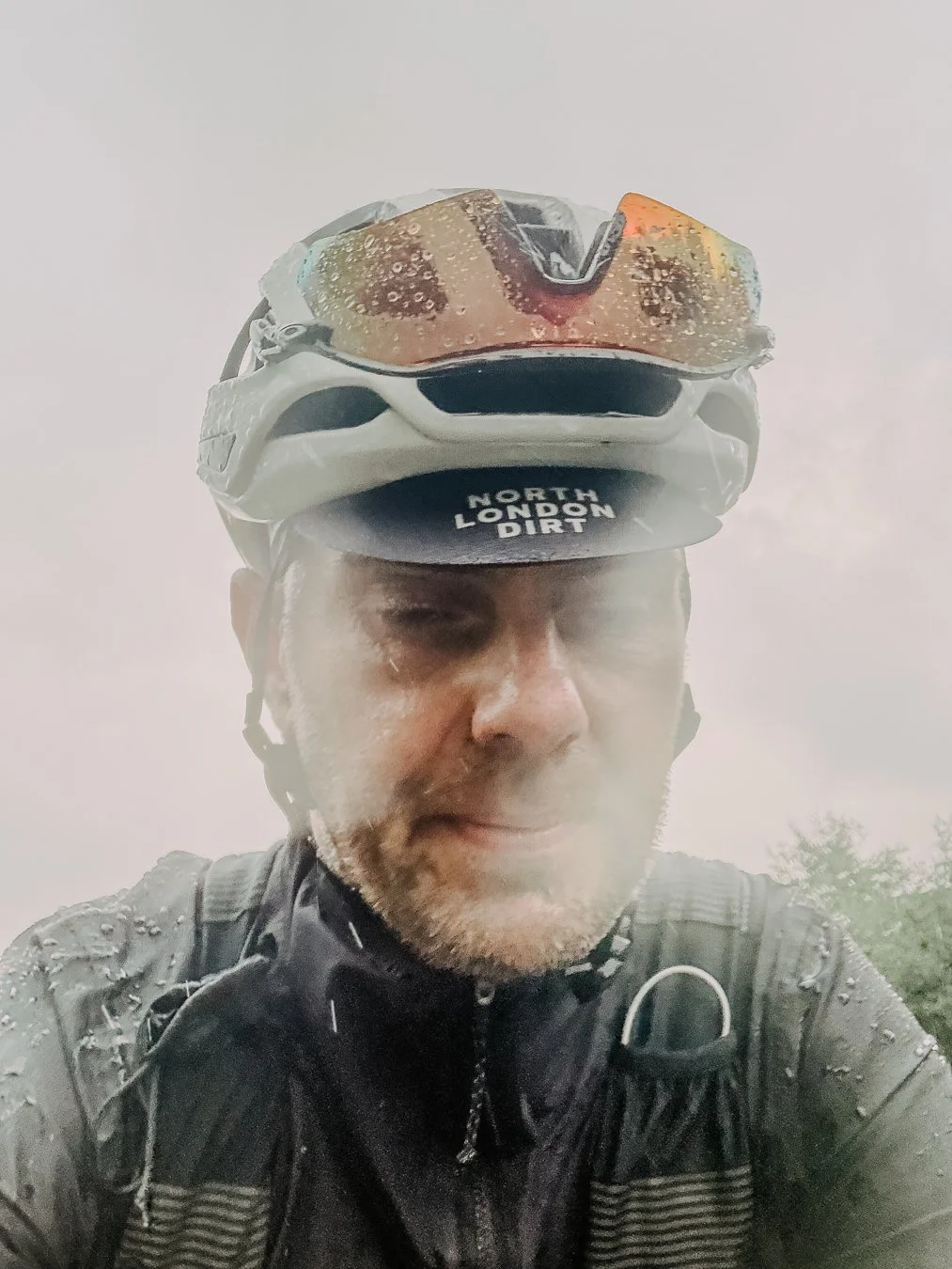
The plan was Marseille to London, roughly 1,300km. What I actually did was 865km. London to Newhaven, ferry to Dieppe, into Normandy in the rain. Two days to Lille. Three days preparing bikes for a press camp (more on that later). Transfer South to Marseille, 4 days work there then North through Provence until the heat made the decision for me somewhere South of Orléans, at which point I got to Paris and caught the Eurostar home. I stopped at the Paris Decathlon on the way to Gare du Nord, bought a cheap bike bag, and packed it at the station before departing.
That's the context. It's also, in some ways, a more complete test than a smooth point-to-point would have been. The bags went through Norman rain, a Channel crossing, three days sitting in a hotel room being repacked for work, the long roads and climbs south of Lyon, and 42-degree heat in the Luberon with a fully loaded setup and no shade. If something was going to fail, it had time to fail.
Nothing failed. Nothing that mattered, anyway. More on that later.
The setup
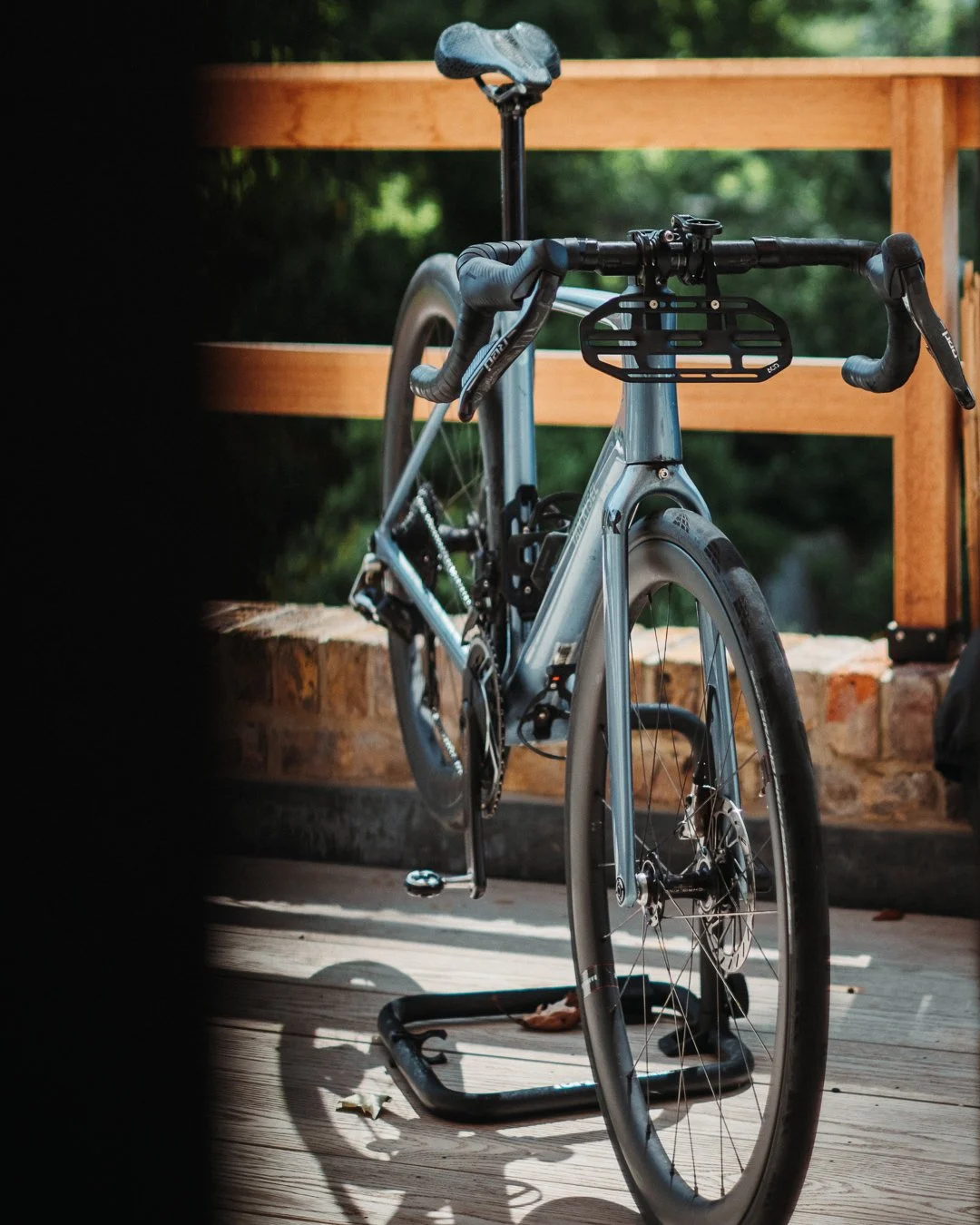
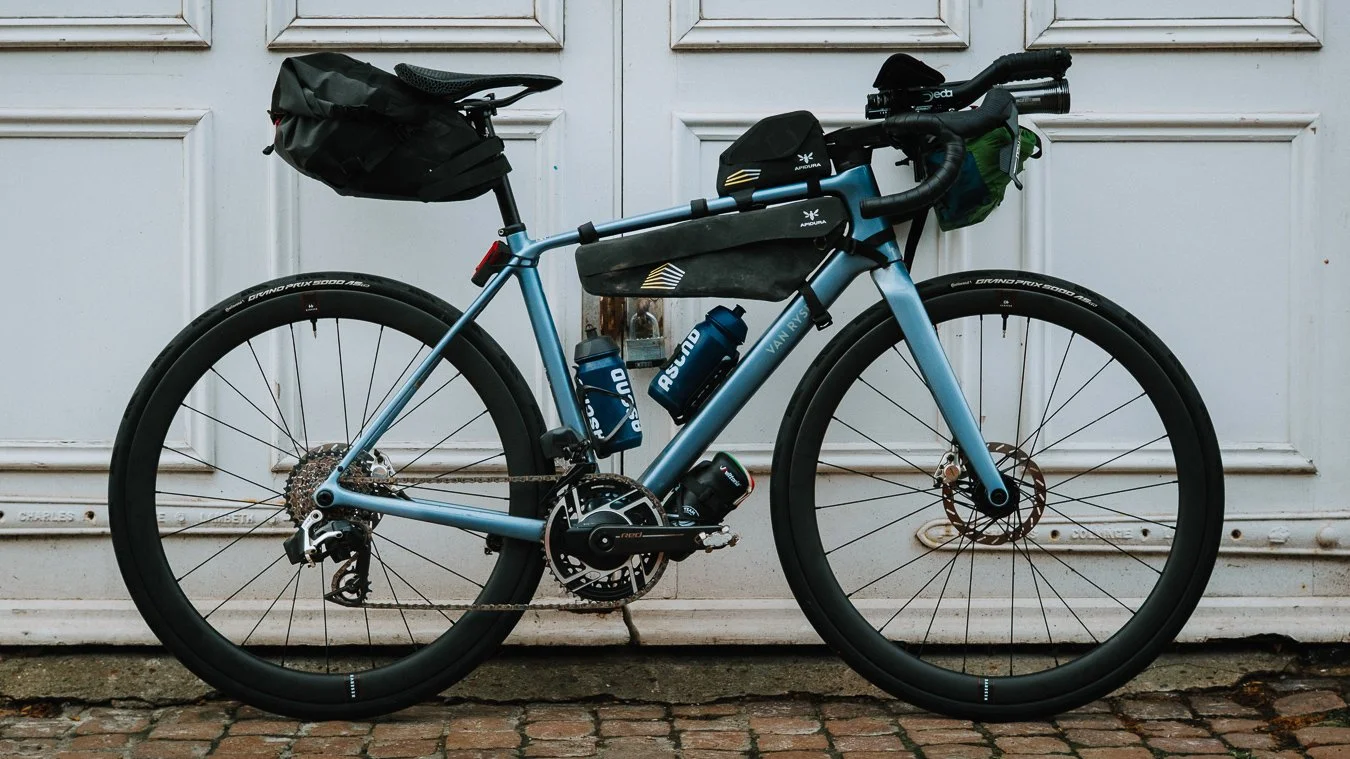
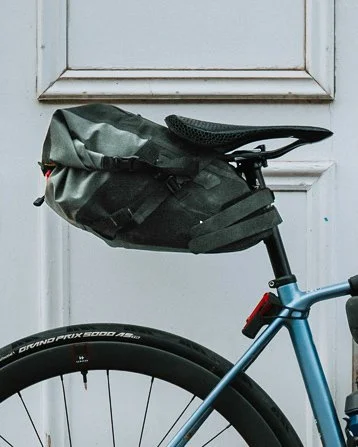
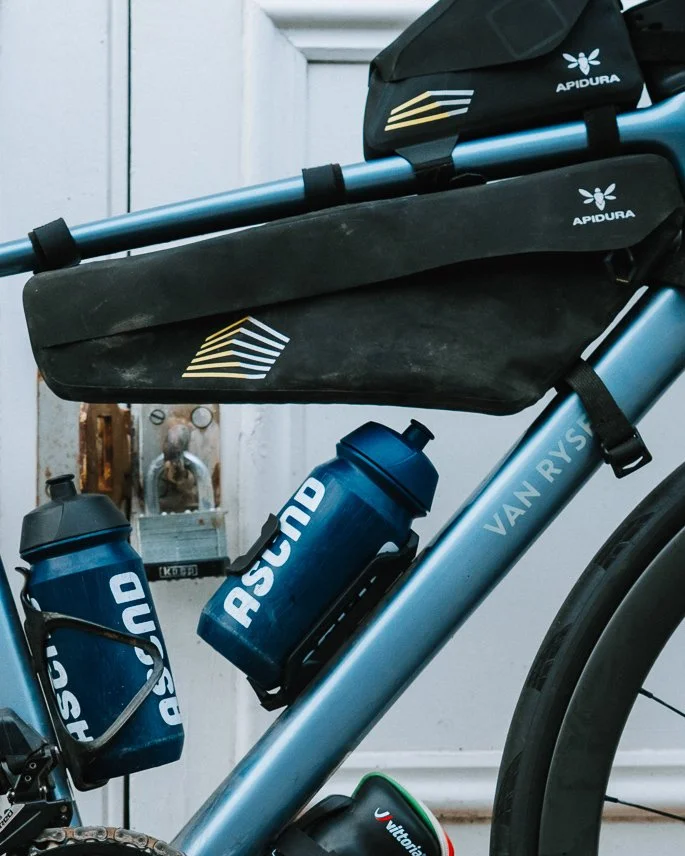
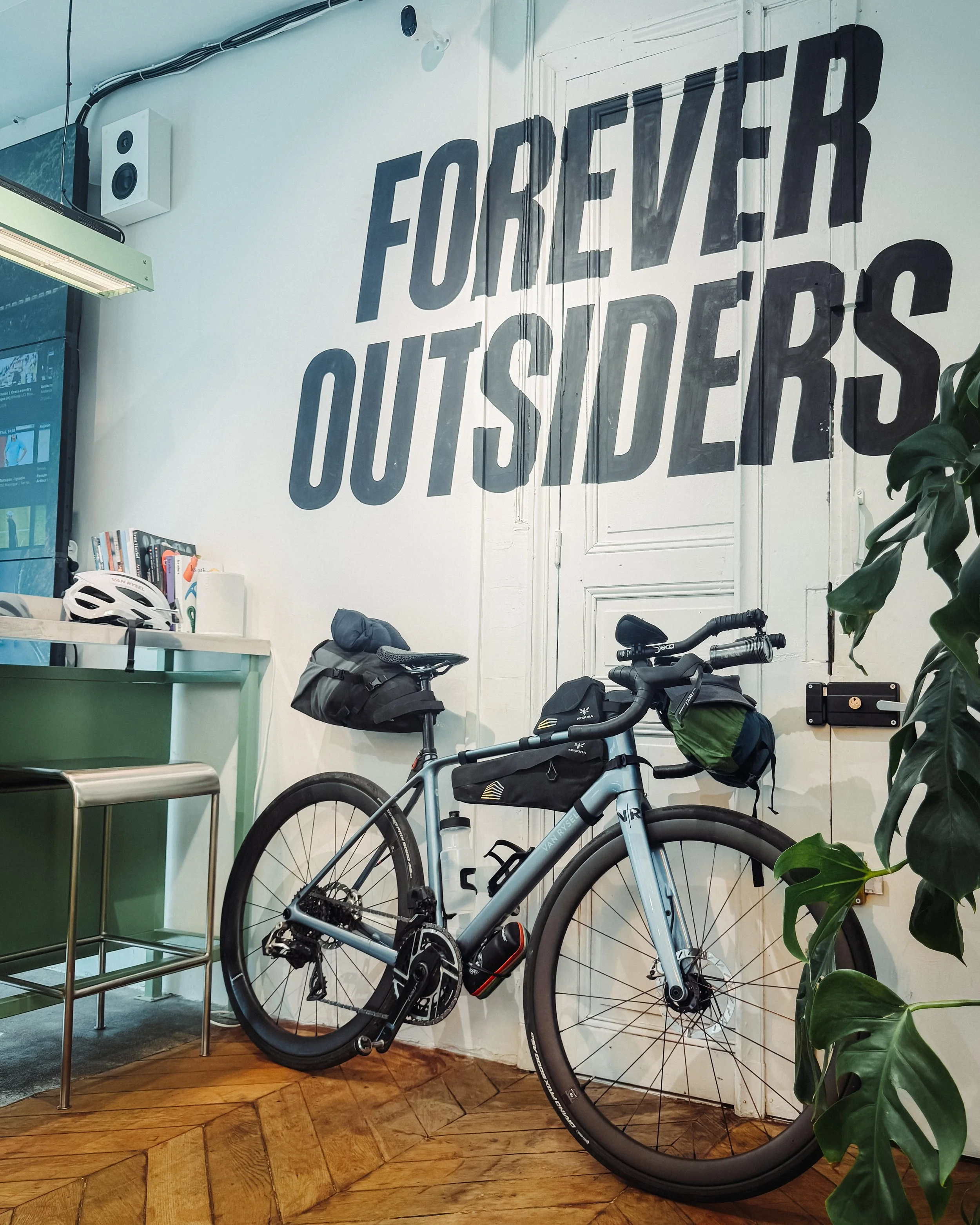
Apidura Expedition frame bag fitted to the Van Rysel EDR CF Ultra paired with the Backcountry seat pack. On top of that, a top tube bag for ride food and a feed pouch. The laptop and camera gear, which had no business being on a working holiday dressed up as a bikepacking trip, went on my back in the Albion Visibility Cargo Vest a decision I'd make again, for the record. I'd had Charlie Stewart, one of Albion's founders, on The Road to Respair Podcast a few weeks before the trip. The vest had been in rotation for some time. It worked exactly as advertised: eight litres on your back, packs down to nothing, breathable enough that you forget you're wearing it at 35 degrees. The laptop and camera which i needed for the work part of the trip was uncomfortable. That wasn't the vest's fault.
The Apidura bags took everything else. The Expedition frame bag carried tools, tubes, a packable shell, portable charger, and food overflow. The Backcountry seat pack took kit for two to three days, work clothes, and whatever else needed a home. Across the full trip wet in the north, brutally hot in the south neither bag gave me a reason to stop.
What Apidura does that cheaper bags don't
The frame bag mounting is the thing that separates a good bikepacking bag from a great one. A bag that moves under load wears your paint, rattles on rough roads, and loosens progressively until you stop to retighten it. The Expedition uses a harness system with anchor points that grip properly, I didn't touch it once. On the section north of Avignon, where the roads get agricultural and the mistral makes everything feel slightly hostile, it didn't shift a millimetre. That's worth the price difference on its own.
The Backcountry roll-top closure I opened and repacked every single day. In hotels, roadside in the Luberon when I was redistributing weight in a panic because the temperature had hit 42 and I'd run out of sensible decisions. The closure never stiffened in the heat, never became awkward, never showed signs of the buckle creeping. For a bag that gets opened ten times a day in varying conditions across two weeks, that's not a small thing.
Everything inside stayed dry. Through the Normandy rain, the Dieppe crossing, the early mornings in the Loire valley with heavy dew on everything. Dry throughout. This is what you're paying for with Apidura, not the look of the bags, not the branding, but the reliable certainty that the thing inside is going to be dry when you open it. After 865km that certainty still holds.
The handlebar situation
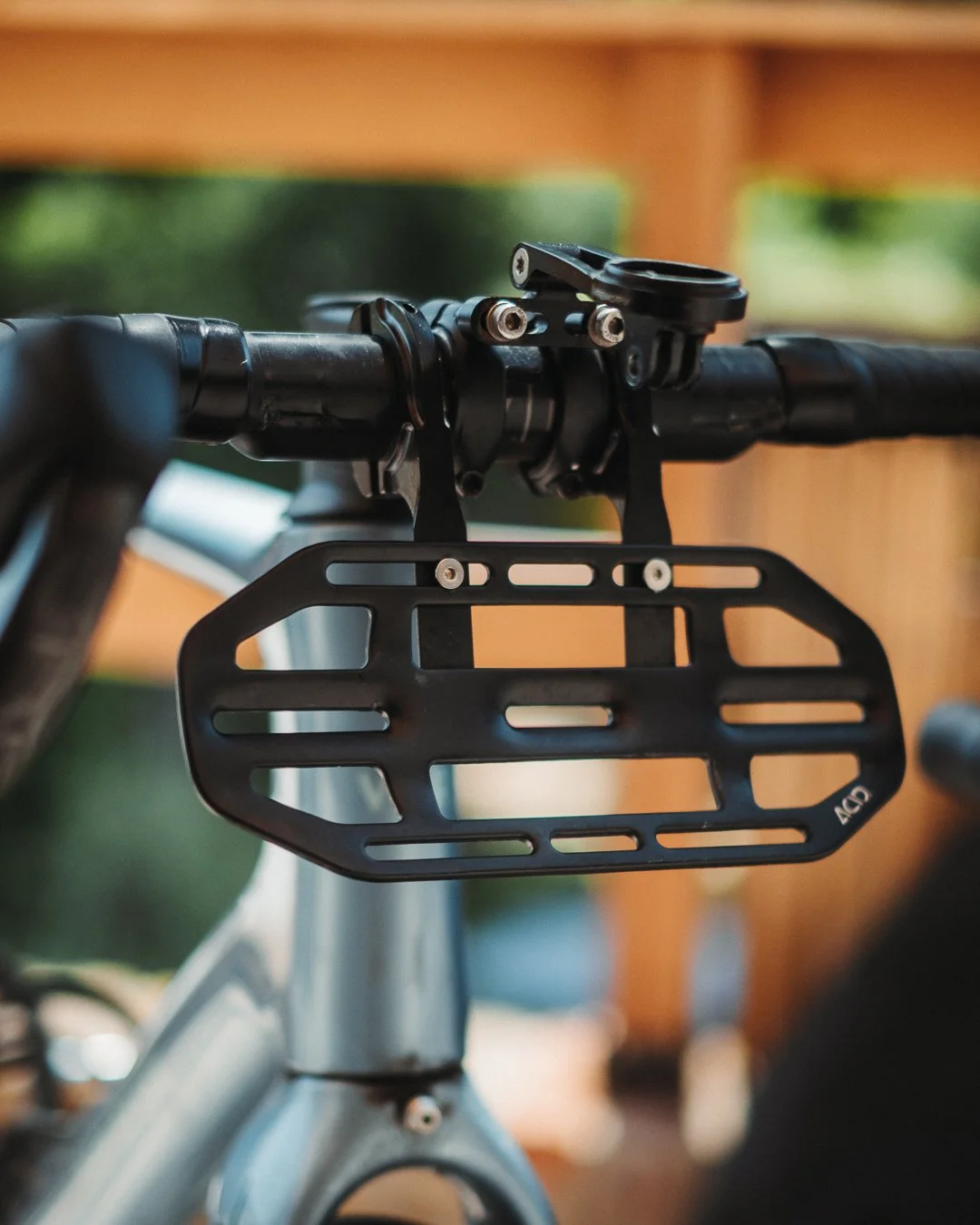
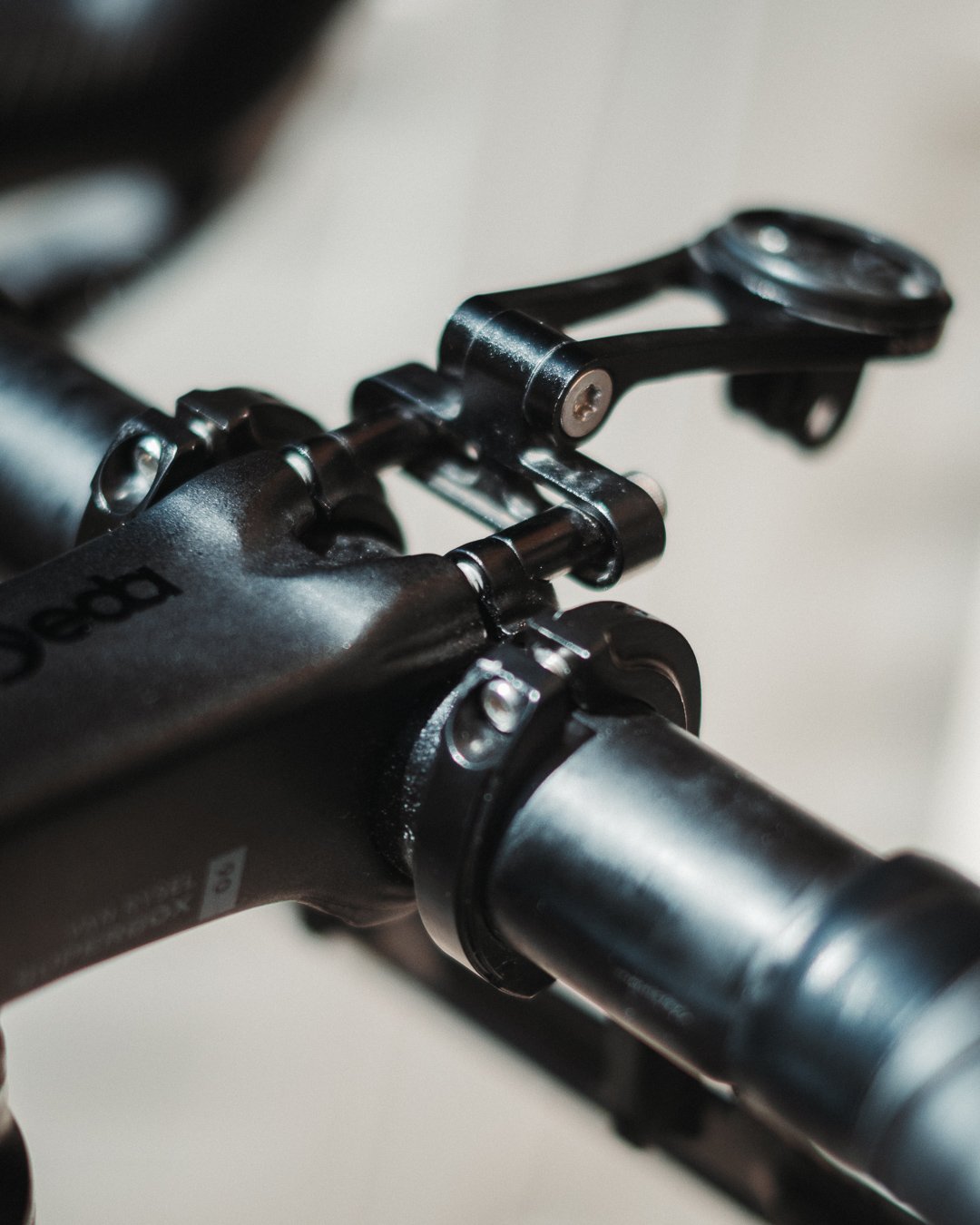
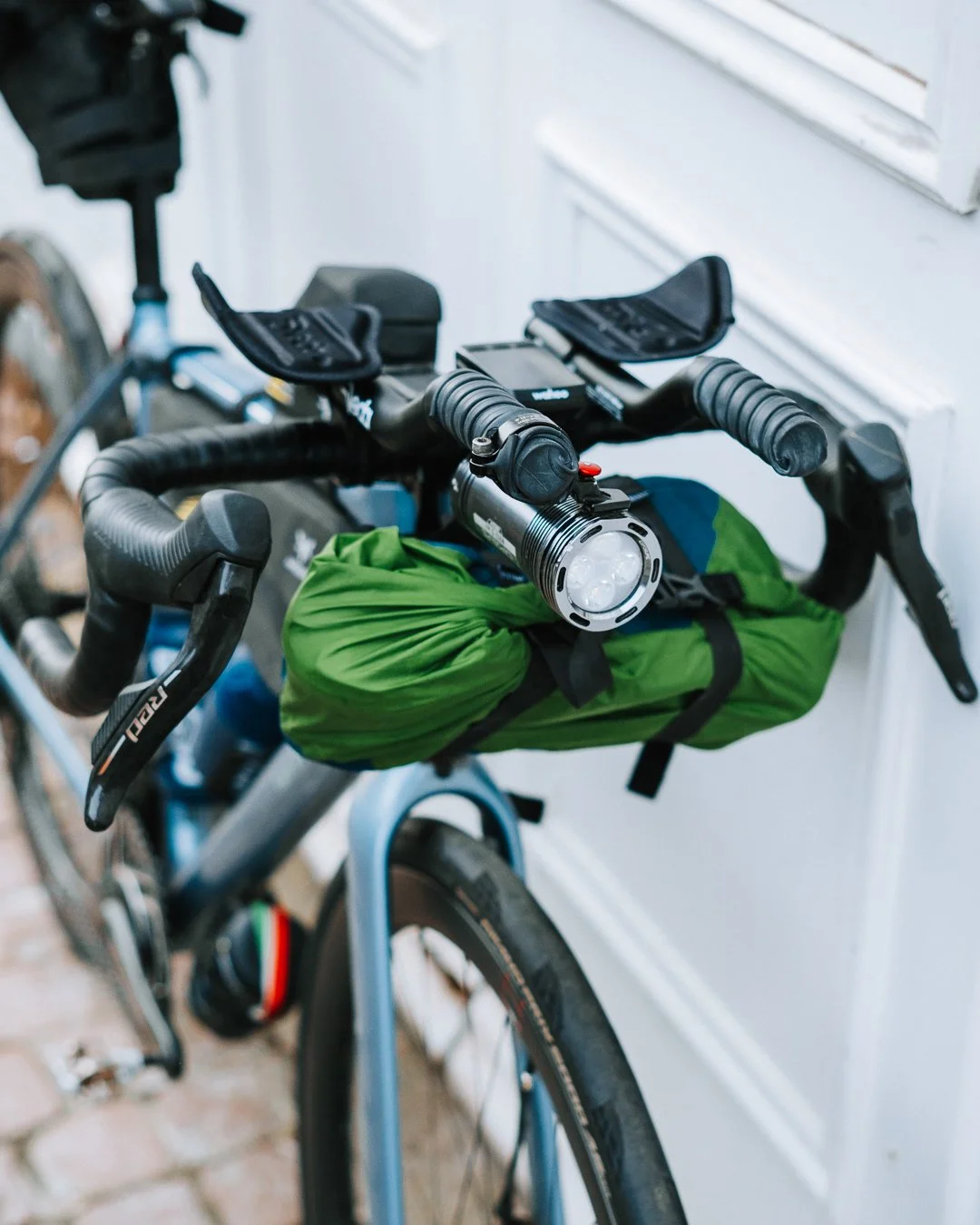
I built my own rack. Two GoPro mounts from Amazon, a Cube Acid Fork cage, about £30 total. The rack worked. Genuinely worked — held rigid, didn't rattle, didn't shift. I'd run it again. The bag I put on it was the mistake.
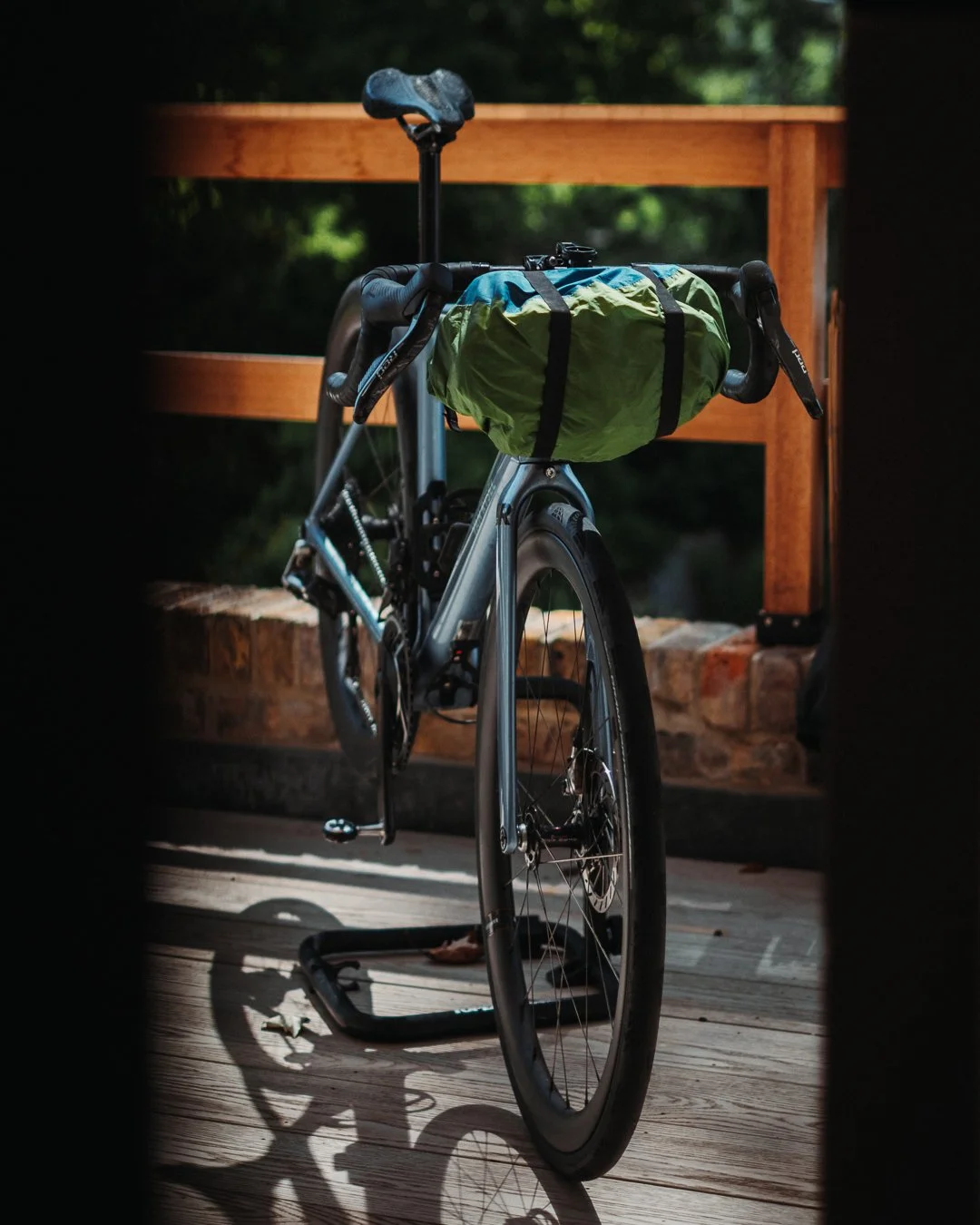
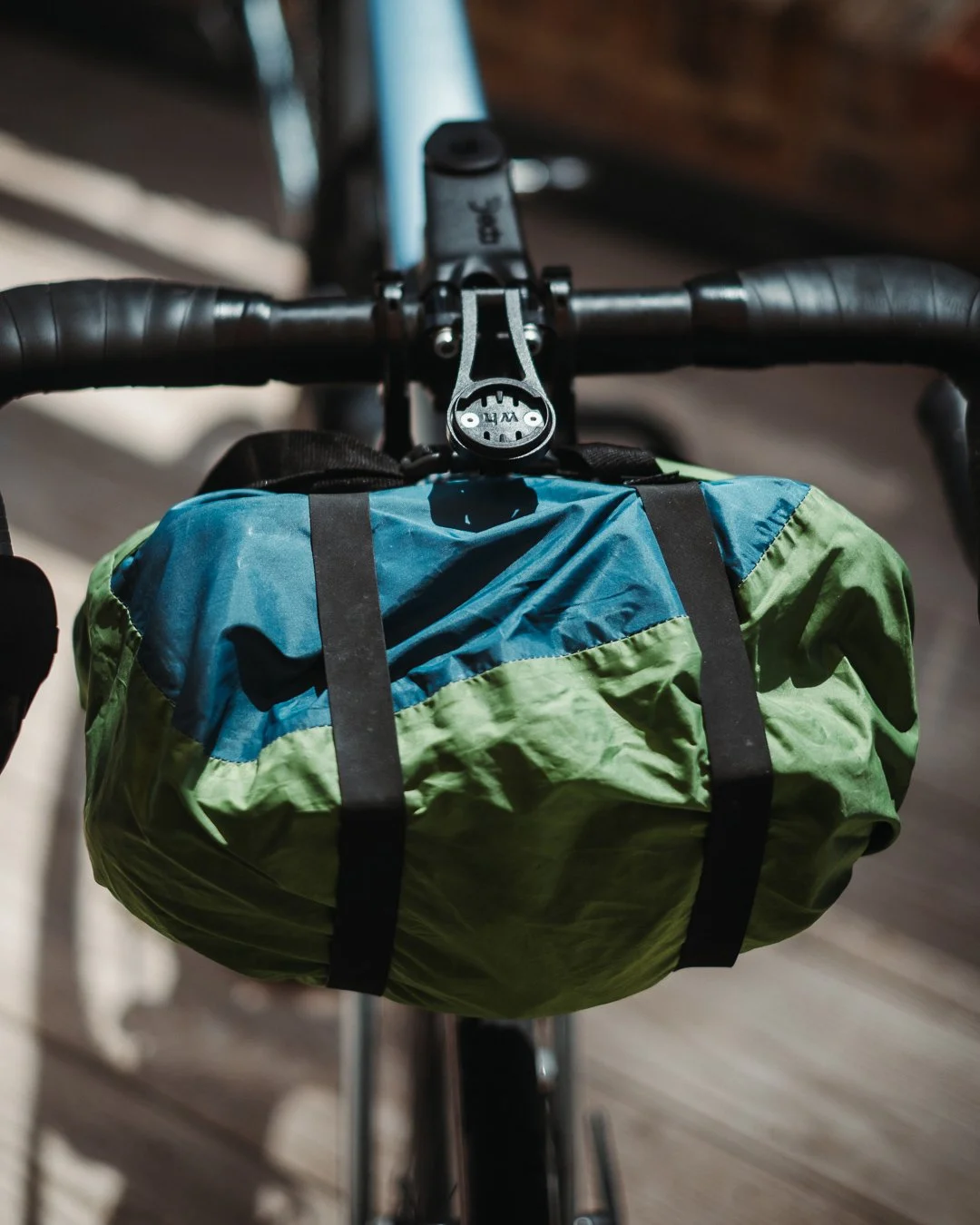
The bag was a Decathlon/Forclaz 21L dry bag. . About £12, not designed for a set of drop bars crossing northern France. My logic was: lightweight, packs to nothing and waterproof. All true. What was also true was that it had no internal structure, so loading it properly meant it inflated outward rather than forward, taking up too much bar space and catching on cables and bag straps. Getting anything in or out required untying the whole arrangement rather than just opening a bag, which on a loaded touring bike in the rain in Normandy is an experience I'd recommend to nobody.
To be fair to the bag: it did its job. It's a good dry bag. It was never going to be anything other than a faff on a handlebar, and that's entirely on me.
The rack worked. The bag was wrong. The lesson is specific: a handlebar bag earns its cost by being designed around the constraints of a handlebar. Structure, access, bar clearance, mounting integration. Those aren't premium features. They're the whole point.
If I were doing this again, I'd skip the DIY arrangement entirely and use the new Apidura Expedition Handlebar Pack which launched in March 2026 with unusually good timing relative to this piece. The new system uses Apidura's BarSpace modules: clamp-free, hardware-free, available in 9L and 14L, with GPS and light mounts integrated directly into the attachment points. The thing I bodged with two Amazon GoPro mounts and a Cube cage, Apidura have solved properly. Available in 9L, which would have been the right size for what I was carrying up front, and 14L for a more serious load. Either way, not a kayaking bag.
Paris and the end of it
I pulled the plug South of Orléans. The heat wasn't breaking and the schedule had no room for slippage. I don't regret it — 865km is a real ride, and the section from Marseille north through the Rhône valley before the temperature peaked was some of the best riding I've done in years. The stretch from London to Lille in steady Norman rain, carrying three days of work clothes on top of a riding kit, was harder in some ways and more satisfying in others.
At Gare du Nord I detoured to the Paris Decathlon, bought the bike bag, boxed everything in the station, and got on the train. The Apidura bags went in my luggage.
Verdict
The Expedition frame bag and Backcountry seat pack are as good as anything I've used for loaded touring. Over 865km of genuinely varied conditions, wet Norman roads, Channel crossing, Alpine approaches, Provençal heat, they didn't give me a single problem. They're expensive in absolute terms and worth it in practical ones.
The handlebar bag: buy the Apidura Expedition Handlebar Pack. Don't do what I did.
One last thing
I do these rides for headspace. To reset. I call them my CNTRL ALT DEL trips, hold all three down, wait for the reboot, see what loads.
What I've learned, after this one, is that I have about a five day limit. The first three days clear my head. By day four the noise is gone and the thinking is clean and I'm riding well and eating well and sleeping properly. By day five I'm bored with myself. Turns out I like the busyness. Not the stress of it, just the texture, the emails and the decisions and the people and the forward motion of ordinary life. Five days without it and I'm ready to go back.
865km in 5 rides. I was stopping, working, riding, stopping again. That might be the actual format. Not the long unbroken haul but something more interrupted, more honest about what I actually need versus what I think I should want.
I'll do it again. I'll probably buy the new Apidura Expedition handlebar bag first.